Business
Woolrec: Transforming Wool Recycling for a Sustainable Future

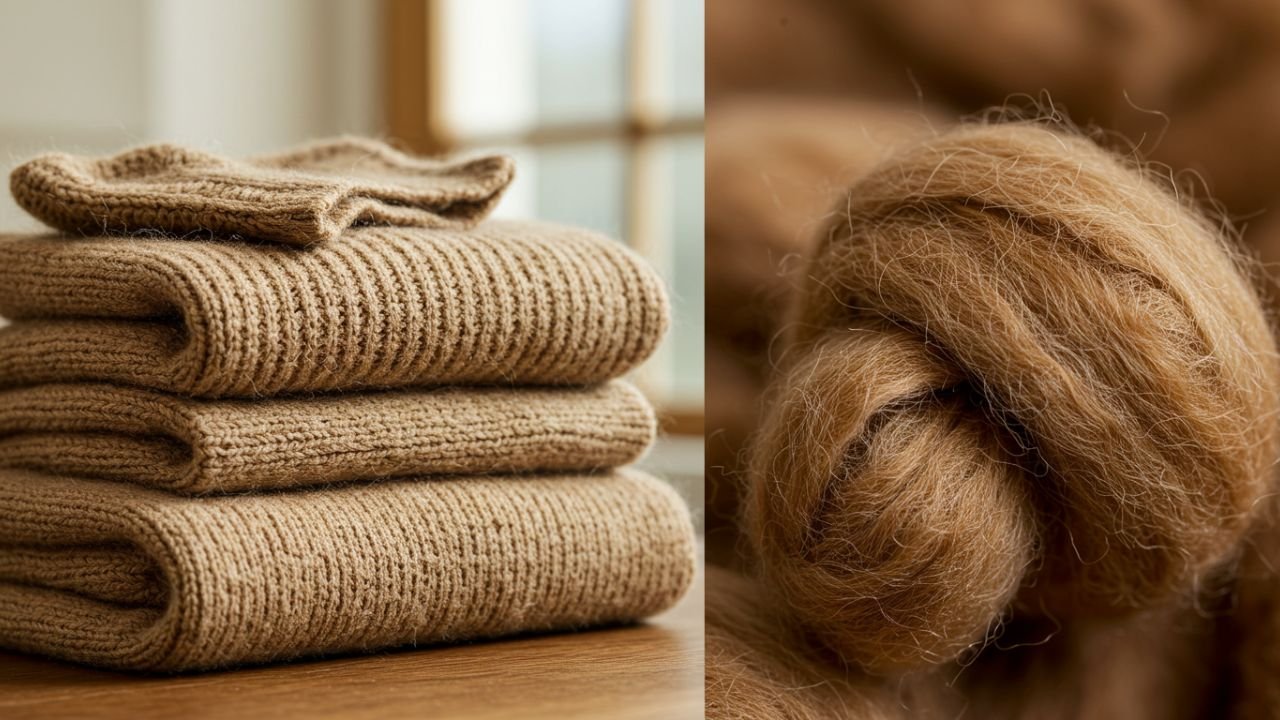
In an era defined by environmental challenges and growing concern over climate change, the fashion and textile industry stands at a pivotal crossroads. Annually, millions of tons of garments and fabric waste are generated worldwide a significant portion of which ends up in landfills or incinerators, contributing to pollution, resource depletion, and ecological harm. Traditional wool production itself, while natural and biodegradable, places pressure on land use, water, and energy due to the necessities of sheep farming and processing.
It is within this context that Woolrec a concept, system, and emerging brand focused on wool recycling has emerged. More than a recycling method, Woolrec represents a bold vision of sustainable textile production, integrating innovation, circular design, and ethical practices to redefine how wool is used, reused, and valued.
What Is Woolrec? A New Paradigm in Wool Recycling
At its core, Woolrec (a combination of “wool” and “recycle”) refers to a comprehensive approach to wool recovery and reuse. Rather than allowing wool garments and textiles to degrade in landfills, Woolrec systems collect, process, and regenerate discarded wool fibers turning them into new yarns, fabrics, and products of high quality. It is designed to create a closed-loop ecosystem, where wool continues to circulate through production, use, and reuse without contributing to waste.
Unlike many conventional recycling models that often result in downcycled materials of limited use, Woolrec strives to preserve the strength, softness, and performance of wool fibers, making recycled wool suitable for fashion, home textiles, industrial applications, and more.
Why Wool Recycling Matters: Environmental and Social Imperatives
1. Reducing Textile Waste
Worldwide, textile waste is a mounting environmental burden. Wool though natural and biodegradable often takes decades to decompose in landfill conditions, especially when blended with synthetic fibers or chemical treatments. Woolrec diverts these materials from disposal, reclaiming valuable resources and reducing landfill load.
2. Conserving Water, Energy, and Carbon Emissions
Production of virgin wool is resource-intensive: sheep farming, washing, carding, spinning, and transportation each demand water and energy, and contribute to greenhouse gas emissions. By contrast, recycling wool significantly lowers these environmental costs, conserving water and energy and reducing CO₂ emissions associated with new material production.
3. Supporting Circular Economy Goals
Woolrec aligns with the principles of the circular economy, which advocates for keeping materials in use for as long as possible, extracting maximum value, and regenerating natural systems instead of following the traditional linear model of “take, make, dispose.” This approach not only benefits the environment but also promotes economic resilience and sustainability for businesses.
The Woolrec Process: From Waste to Worth
Woolrec’s recycling journey unfolds through several key stages, each crucial in ensuring quality and sustainability:
1. Collection
The process begins with gathering wool waste from multiple sources discarded garments, post-consumer textiles, factory offcuts, and production scraps. By partnering with brands, thrift initiatives, and community programs, Woolrec builds a steady supply of fiber feedstock for recycling.
2. Sorting and Cleaning
Collected textiles are meticulously sorted by fiber type, color, and condition. This careful sorting reduces the need for re-dyeing and enhances the quality of recycled fibers. Once sorted, the materials undergo deep cleaning to remove dirt, oils, chemicals, and contaminants, restoring wool’s natural properties.
3. Fiber Recovery
The cleaned textiles are mechanically or enzymatically processed to break down fabrics into individual wool fibers. Advanced technology preserves fiber length and integrity a key differentiator of Woolrec compared to traditional recycling methods.
4. Spinning and Production
Recovered fibers are carded, blended, and re-spun into new yarns. These yarns are then used to create fresh textiles and products from fashion apparel to interior fabrics, insulation materials, and more.
5. Final Products
The regenerated wool is crafted into garments, accessories, and textiles that rival virgin wool in performance and feel. Because the process preserves the core qualities of wool warmth, durability, and breathability Woolrec products are both stylish and environmentally responsible.
Applications Across Industries
Fashion and Apparel
Recycled wool from Woolrec finds use in a wide range of fashion items: sweaters, scarves, coats, hats, and knitwear that combine sustainability with design. As consumer demand for eco friendly fashion grows, Woolrec helps brands meet environmental goals without compromising style.
Home Textiles and Interiors
Beyond clothing, Woolrec fibers are used in blankets, cushions, upholstery, rugs, and other interior textiles, offering natural comfort and performance with reduced environmental impact.
Industrial Applications
Recycled wool also serves industrial needs, especially in thermal and acoustic insulation, padding, and composite materials — showcasing the versatility of wool beyond textiles.
Benefits of Embracing Woolrec
Environmental Benefits
-
Reduces textile waste and landfill contribution.
-
Lowers carbon emissions and resource consumption.
-
Conserves natural resources like water and energy.
Economic and Social Benefits
-
Encourages new business opportunities and green jobs in recycling and manufacturing.
-
Reduces raw material costs for brands.
-
Promotes ethical practices and community engagement.
Consumer Benefits
-
Provides eco-conscious consumers with stylish, sustainable options.
-
Encourages mindful consumption and longer product lifecycles.
Challenges and Innovations Ahead
Despite its promise, Woolrec faces challenges common to textile recycling:
-
Sorting complexity due to blended fabrics.
-
Maintaining fiber quality after multiple recycling cycles.
-
Raising consumer awareness of wool recycling options.
However, technological advancements like AI-assisted sorting, blockchain for traceability, and new regeneration techniques — are helping overcome these hurdles, making wool recycling more efficient and scalable.
The Future of Woolrec: A Circular Textile Economy
Looking forward, Woolrec’s potential extends far beyond its current applications. Expansion plans include global recycling hubs, digital platforms for design and traceability, and innovative partnerships with leading fashion houses and sustainability organizations. By driving industry-wide adoption, Woolrec aims to make circular wool the global standard, not the exception.
Conclusion: More Than Recycling — A Movement
Woolrec isn’t just a recycling process — it’s a philosophy of renewal and a response to one of today’s most pressing sustainability challenges. By transforming wool waste into high-value products, Woolrec proves that environmental stewardship can coexist with economic growth, craftsmanship, and style. As the world shifts toward sustainable living, initiatives like Woolrec are vital in shaping a future where fashion and responsibility walk hand in hand.

-
 Blog4 months ago
Bryna Lublin: Shaping the Future of Storytelling in a Digital Age
-

 Blog4 months ago
Benzift78: Revolutionizes Content Creation for Bloggers
-

 Technology4 months ago
Wapbald: The Future of Online Connectivity
-

 Digital Marketing4 months ago
Ellen topanotti citibank: Shaping the Future of Banking
-

 Blog4 months ago
Halle jonah platonic soulmates: From Friends to Family
-

 Blog4 months ago
Prajit Malhan: Insights into His Unique Blogging Style
-

 Technology4 months ago
Steve remias inrix: Shaping the Future of Mobility at INRIX
-

 Blog4 months ago
Candideinohio: A Journey Through Satire and Enlightenment